



You zip up your suitcase, sit on it to force it closed, and still struggle to find a clean t-shirt when you arrive. Sound familiar? Learning how to use packing cubes is one of the easiest ways to fix that problem.
These simple travel organisers help separate clothes, maximise luggage space, and keep everything exactly where it belongs throughout your trip. A good packing system can turn a messy suitcase into a well-organised travel kit in minutes.
This guide explains how to use packing cubes effectively, choose the right sizes, and pack smarter for everything from weekend getaways to longer adventures.
How To Use Packing Cubes Effectively
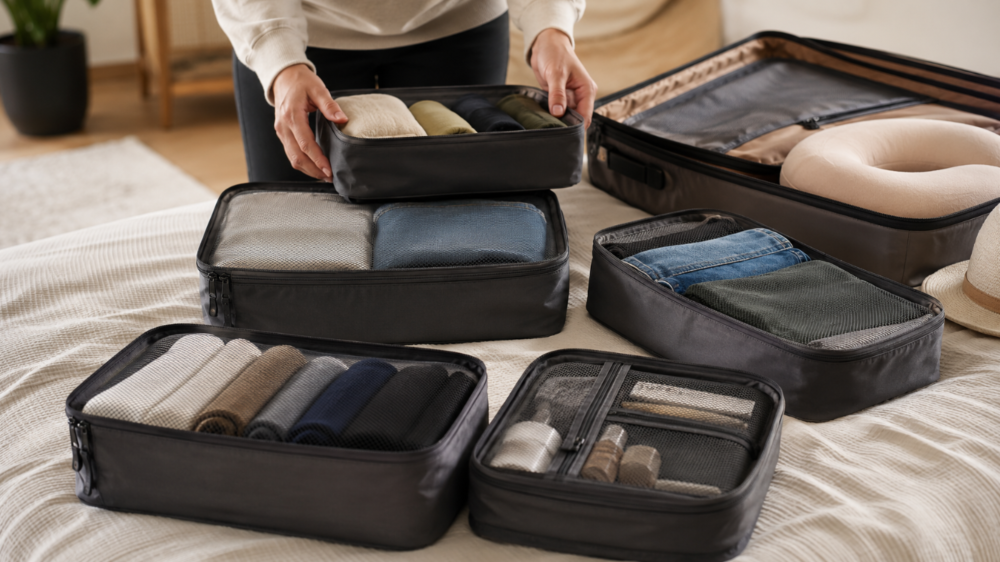
If you need to unpack half your luggage to find one item, your setup is not working. The goal is simple: keep similar items together, make the best use of available space, and avoid turning your suitcase into a mess halfway through the trip.
Step 1: Start With Your Packing List
Before you choose a cube, decide what actually needs to come with you. A packing list prevents one of the biggest travel mistakes: packing for imaginary situations.
For example, a four-day city break rarely requires eight shirts, three jackets, and four pairs of shoes. A realistic list might include:
-
4 t shirts
-
2 pairs of pants
-
4 pairs of socks
-
4 sets of underwear
-
1 jacket
-
1 pair of casual shoes
-
1 complete outfit for dinner
-
Toiletries and accessories
This step makes the entire packing process easier because every item already has a purpose. Less unnecessary clothing means more luggage space for the things you will actually wear.
Step 2: Group Similar Clothing Together
One of the best ways to use packing cubes is to organise by category instead of by day. Many travellers place a complete outfit inside each cube, but that often creates more work once the trip begins.
Imagine you need a clean t-shirt on day two. If your clothing is organised by outfit, you may need to open several cubes before you find the right one. A category-based system is much more practical.
A common setup looks like this:
-
One cube for shirts and t shirts
-
One cube for underwear and socks
-
One cube for pants and shorts
-
One cube for workout clothes
-
One shoe bag for shoes
-
One small cube for chargers and accessories
This method helps you stay organized and makes specific items easy to locate at any point during the journey.
Step 3: Choose The Right Cube Sizes
Not every cube should hold the same type of clothing. The best travellers match the cube size to the item size.
Smaller packing cubes work best for:
-
Socks
-
Underwear
-
Belts
-
Chargers
-
Small accessories
A medium cube is ideal for:
-
Polo shirts
-
T shirts
-
Casual shirts
-
Lightweight clothing
A large cube or large compression cube works well for:
-
Sweaters
-
Jackets
-
Pants
-
Bulkier clothing
Using multiple sizes creates a puzzle-like effect inside your suitcase, where every cube fits neatly beside the next one. Smaller cubes can fill awkward corners while larger cubes hold the items that take up the most room.
Step 4: Roll Or Fold Clothes
Many travel guides insist that rolling is always better. In reality, the best method depends on the clothing.
Rolling works particularly well for softer items because it helps them fit inside cubes without wasting room.
Good candidates for rolling include:
-
T shirts
-
Workout clothes
-
Pyjamas
-
Underwear
-
Socks
Folding often works better for:
-
Dress shirts
-
Button-up shirts
-
Blazers
-
Structured jackets
For business travel, folded dress shirts inside a medium cube usually arrive in much better condition than tightly rolled shirts. A combination of both methods often delivers the best result and helps you efficiently pack more clothing into the same amount of space.
Step 5: Leave One Spare Cube
Experienced travellers almost always pack an extra cube.
At first, an empty cube may seem like wasted room, but it quickly becomes one of the most useful tools in your bag. As the trip progresses, clean clothing turns into dirty laundry, shopping purchases start to appear, and small items begin to move around the suitcase.
A dedicated spare cube can hold:
-
Dirty clothes
-
Wet swimwear
-
Gym gear
-
Dirty items
-
Small souvenirs
-
Laundry waiting to be washed
This simple habit keeps clean clothes separate from dirty laundry and prevents unpleasant surprises when you arrive home and open your suitcase. Instead of sorting through a pile of mixed clothing, everything already sits exactly where it belongs.
Best Ways To Organise Different Types Of Travel
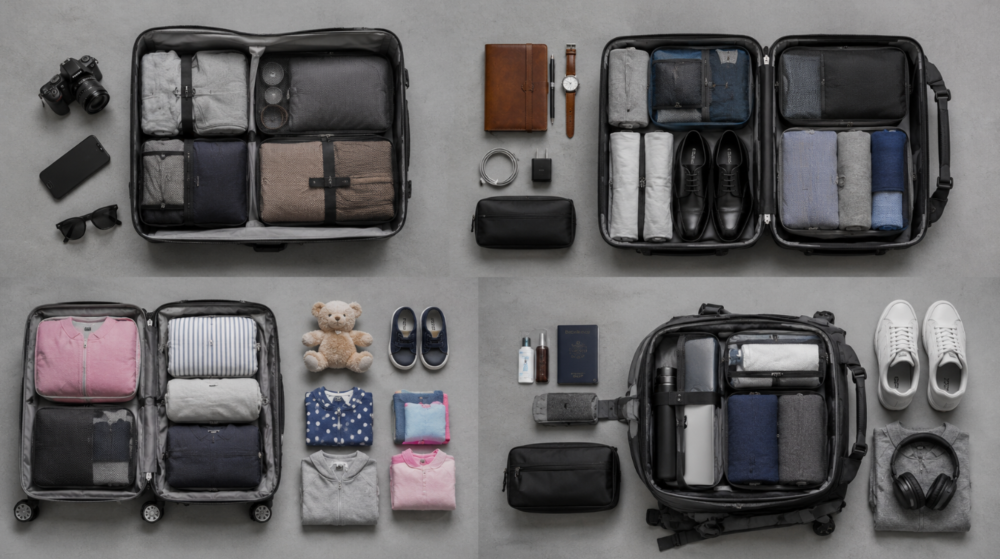
One of the biggest advantages of packing cubes is that the same system can adapt to almost any type of travel. A weekend getaway requires a very different setup than a family holiday or a business trip.
The key is to adjust your cubes based on the length of the journey, the type of clothing you need, and how often you expect to access certain items.
Weekend Getaways
A short trip usually needs only a few cubes. The goal is simplicity.
A practical setup might include:
-
One medium cube for t shirts, shorts, and casual clothing
-
One smaller cube for underwear and socks
-
One shoe bag for shoes and accessories
The Packing Cubes 3pc Set is particularly useful for weekend travel because the three different sizes naturally separate your essentials without taking up unnecessary luggage space. Everything fits neatly inside a backpack or small suitcase, and unpacking at your destination takes less than a minute.
Business Trips
Business travel requires quick access to specific items. Nobody wants to dig through a suitcase looking for a clean shirt before a meeting.
A smart business setup includes:
-
One cube for dress shirts
-
One cube for pants and business attire
-
One smaller cube for socks, underwear, belts, and accessories
Keep presentation clothing separate from casual items. This helps maintain the shape of shirts and makes hotel unpacking much easier.
Family Holidays
Family travel can create chaos fast. When everyone's clothes end up in the same bag, finding a single pair of socks becomes a challenge.
Many parents assign a colour or cube size to each family member:
-
Parent 1: large cube
-
Parent 2: large cube
-
Child 1: medium cube
-
Child 2: medium cube
-
Shared cube for swimwear and beach gear
This approach keeps everyone's belongings separate and prevents constant searching throughout the trip.
Carry-On Only Travel
Carry-on travellers need every centimetre of available space.
A combination of compression cubes and smaller cubes helps maximise capacity while keeping items organised. Place heavier clothing such as sweaters and jackets inside a compression cube, then use the remaining spaces for underwear, socks, chargers, and toiletries.
A common carry-on setup includes:
-
One large compression cube for clothing
-
One smaller cube for essentials
-
One small pouch for accessories
-
One spare cube for dirty laundry
This system allows you to save space, stay organised, and travel for several days with nothing more than a carry on bag.
What To Pack In Each Cube
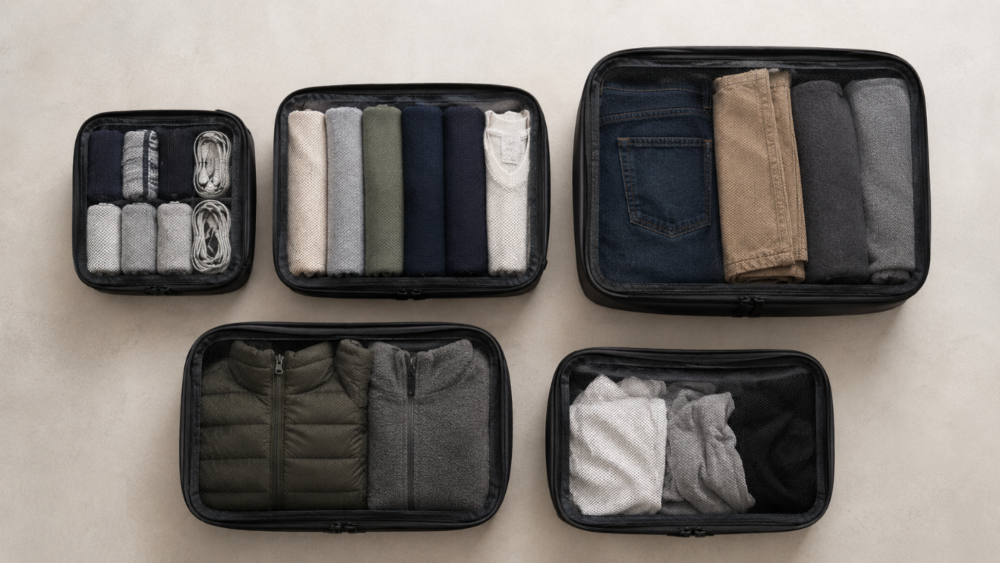
One of the easiest ways to use packing cubes effectively is to assign a specific purpose to each cube before you start packing.
This prevents clothing from getting mixed together and helps you find what you need without unpacking your entire suitcase. Think of each cube as a drawer inside your luggage. Once every category has a dedicated place, organisation becomes effortless throughout the trip.
|
Cube Type |
Best For |
|
Small Cube |
Socks, underwear, chargers, cables, toiletries, accessories |
|
Medium Cube |
T-shirts, polo shirts, casual shirts, workout clothes |
|
Large Cube |
Pants, shorts, sweaters, lightweight jackets |
|
Compression Cube |
Bulky items such as hoodies, winter clothing, thicker jackets |
|
Spare Cube |
Dirty laundry, wet swimwear, dirty clothes, shopping purchases |
A good example for a week-long trip is to place all underwear and socks in a small cube, everyday shirts in a medium cube, and pants and sweaters in a large cube. If you bring heavier clothing, a compression cube can reduce the amount of space those items occupy and create extra room inside your luggage.
The dedicated spare cube often becomes the most valuable cube by the end of the trip. Instead of mixing dirty clothes with clean clothes, everything stays separate and organised until you arrive home.
Conclusion
Learning how to use packing cubes is less about buying travel accessories and more about creating a system that works every time you travel.
The right setup can help you save space, keep clean clothes separate from dirty laundry, and make every stage of the packing process faster and less stressful. Instead of digging through a messy suitcase, you know exactly where every item belongs.
A quality set with multiple sizes makes an even bigger difference. The Packing Cubes 3pc Set offers a simple way to organise clothing, shoes, accessories, and travel essentials while making better use of available luggage space.
Frequently Asked Questions
How do packing cubes save space?
Packing cubes create structure inside your luggage, which helps clothing fit more efficiently. Instead of loose items shifting around during travel, everything stays compact and organised. Compression cubes can save even more space by reducing the volume of bulky clothing such as sweaters, hoodies, and jackets.
Should I pack outfits or clothing categories in packing cubes?
Most experienced travellers organise cubes by clothing category rather than complete outfits. Keeping shirts, pants, underwear, and accessories in separate cubes makes it much easier to find specific items during the trip. This system also reduces the amount of unpacking you need to do each day.
Can packing cubes help keep dirty clothes separate?
Yes. One of the best uses for a spare cube is storing dirty laundry. As the trip progresses, you can move worn clothing into a dedicated cube and keep it away from clean clothes. This makes repacking for the journey home much more organised.
What size packing cube should I use for shoes?
The answer depends on the type of footwear. Sandals and lightweight shoes often fit inside a medium cube, while larger footwear usually works best in a dedicated shoe bag. Keeping shoes separate protects clean clothing from dirt and helps maintain organisation inside your suitcase.
Are packing cubes worth it for short trips?
Absolutely. Even on a two or three-day getaway, packing cubes help organise clothing, toiletries, chargers, and travel accessories. Many travellers find that short trips highlight the benefits even more because they can pack everything they need into a small bag without creating clutter.